When Miami Is Cheap, and the Weeks to Stay Away From
By Matt Spaulding · August 29, 2026
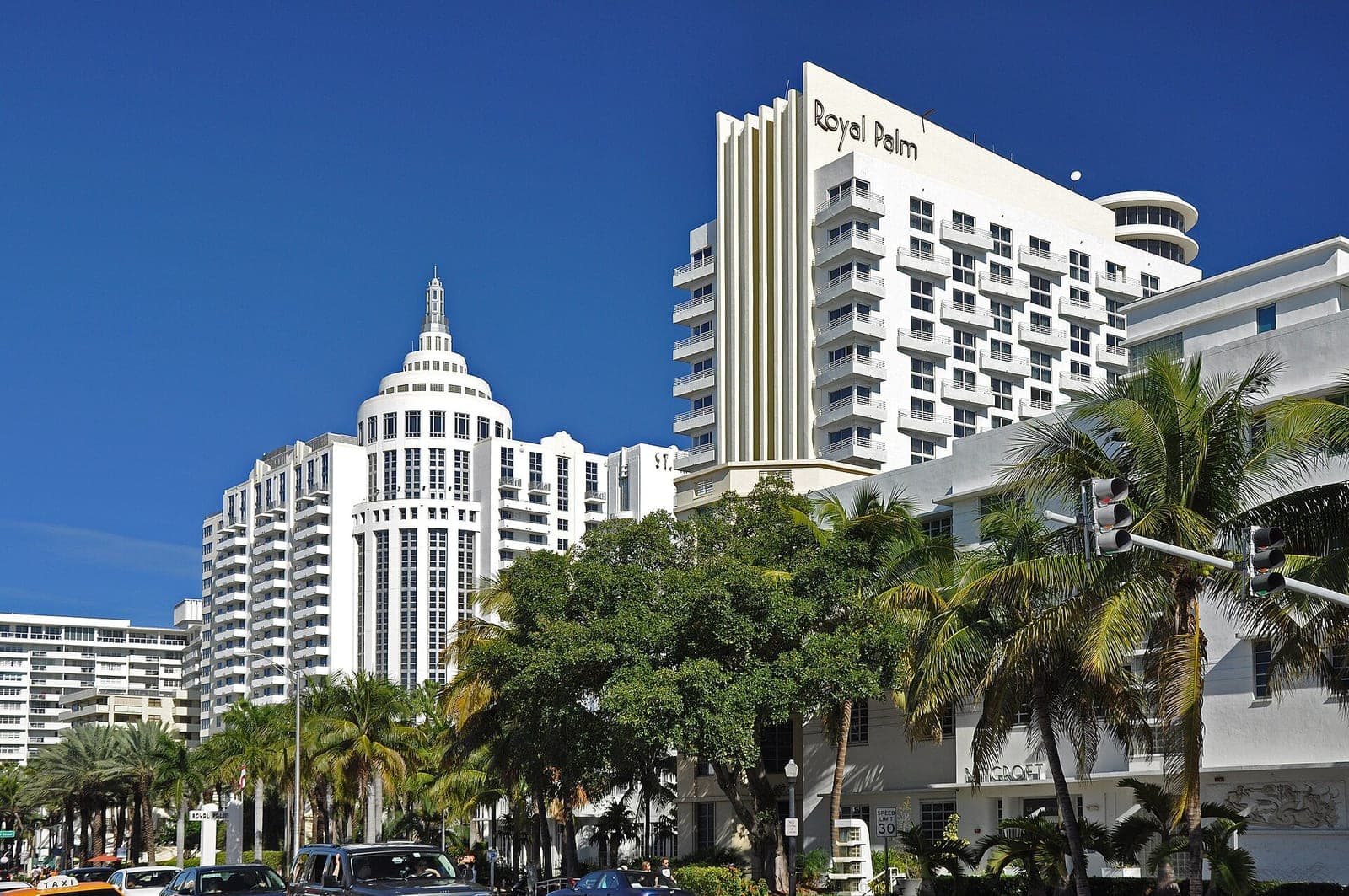
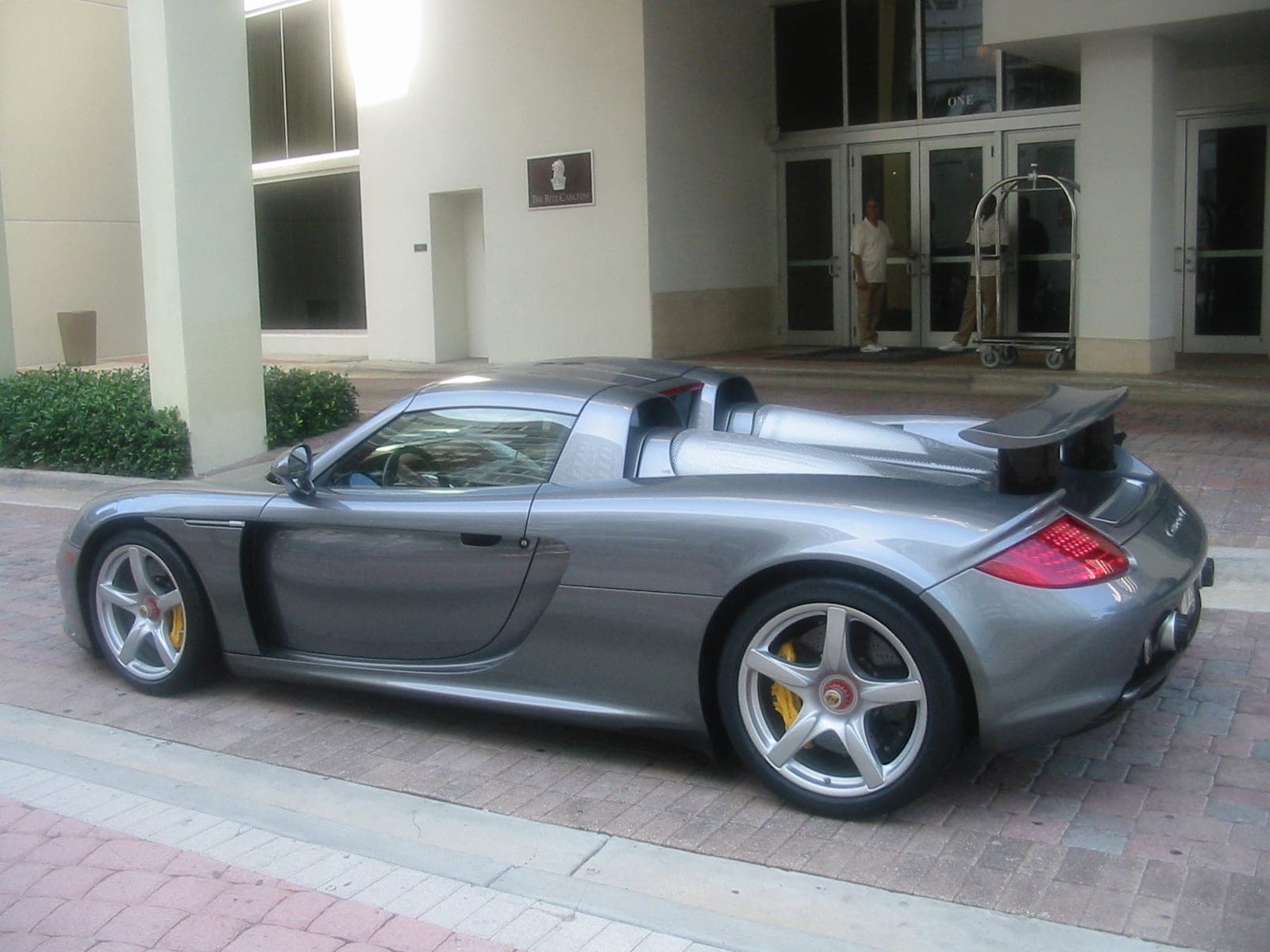
Photo: P. Hughes, CC BY-SA 4.0, via Wikimedia Commons
Miami has two seasons that barely resemble each other, and the county publishes the proof. In a representative year of the county convention bureau's STR data, Miami-Dade hotel occupancy ran 81.6% in March and 63.8% in September, and the countywide average daily rate fell from $293.57 in February to $156.93 in September. Same beach, same hotels, about eight months apart. Last-minute booking works beautifully in one half of that calendar and fails flatly in the other. The useful thing is knowing which week you are in.
September is the floor, and a hurricane map explains it
September is Miami's cheapest month for a reason you can look up. The Atlantic hurricane season runs June 1 to November 30 every year, and NOAA puts the climatological peak, the date most likely across a century of records to have an active storm, at September 10. The bottom of the demand curve lands on the riskiest day of the riskiest season. The numbers follow: 63.8% occupancy, the year's lowest average daily rate at $156.93, and revenue per available room of $100.08 against February's $237.60. August sits just above it at 65.8%. The catch is plain. You are being paid to carry weather risk, and some Septembers collect. Book with free cancellation, or book same day with the forecast in front of you.
The soft months, where last-minute earns its keep
June through September is the working window. Countywide occupancy sits between 63.8% and 69.6% across those four months, which means roughly a third of Miami-Dade's rooms go unsold, and the average daily rate drops into the $157 to $176 range against roughly $290 at the February and March peak. That is the softness a same-day booker wants: rooms left over, and no reason to hold a price. May is a partial member at 69.1% and $224.41, with one large exception below. Heat is the trade. July and August in Miami are humid enough that the afternoon thunderstorm is a scheduled event, and the pool umbrellas fold at three. Mid-Beach is where the big beachfront blocks are, and big blocks are the ones that still have rooms at 4pm.
February and March are when last-minute simply loses
February carries the year's highest average daily rate at $293.57 with 80.9% occupancy, and March the year's highest occupancy at 81.6%. The event calendar is most of the reason. The Discover Boating Miami International Boat Show takes five days in mid-February across the Miami Beach Convention Center and several on-water venues along Collins Avenue, and the South Beach Wine and Food Festival takes the back half of the month, also based on the beach. Between them they occupy most of February. March brings the Miami Open, a combined ATP and WTA event running from mid to late month, and Ultra, three days of electronic music at Bayfront Park in downtown Miami at the end of it. In most years Ultra's three days fall inside the Miami Open's closing weekend, so downtown and the beach absorb a tennis crowd and a festival crowd at the same time.
The Hard Rock Stadium trap
Two of Miami's biggest annual draws happen well away from the beach people picture. The Miami Open plays at Hard Rock Stadium in Miami Gardens, and the Formula 1 Miami Grand Prix runs every early May, usually the first weekend, on a temporary circuit built around that same stadium. Hard Rock sits roughly 18 to 20 road miles north of South Beach, a 23 to 45 minute drive, and event days are what push that figure to the top of its range. People book a South Beach hotel for a stadium event constantly, then make that drive twice a day. Trade press reports the Grand Prix selling out every year since its 2022 debut, with mid-range hotels in Aventura and on Miami Beach filling first even though the circuit is twenty miles from both. The result is that the first weekend of May prices like February while the rest of May prices like shoulder season. If you want the beach in May, take any other weekend.
Art Basel is the week inventory genuinely runs out
Art Basel Miami Beach lands in the first or second week of December, and unlike the stadium events it happens at the Miami Beach Convention Center, inside Miami Beach itself. That one fact makes it the hardest week on the calendar to book into. December is the year's second demand peak in the data too: the same bureau's forecast table put December occupancy at 73.0% and the average daily rate at $281.77, well clear of anything between May and October, with art week and the holidays stacked together. Travel and hospitality trade press consistently reports Miami Beach hotels selling out outright during art week, with rates commonly doubling or tripling against the weeks on either side. Skip it, or sleep somewhere else that week.
The mirror trick: sleep on the other side of the bay
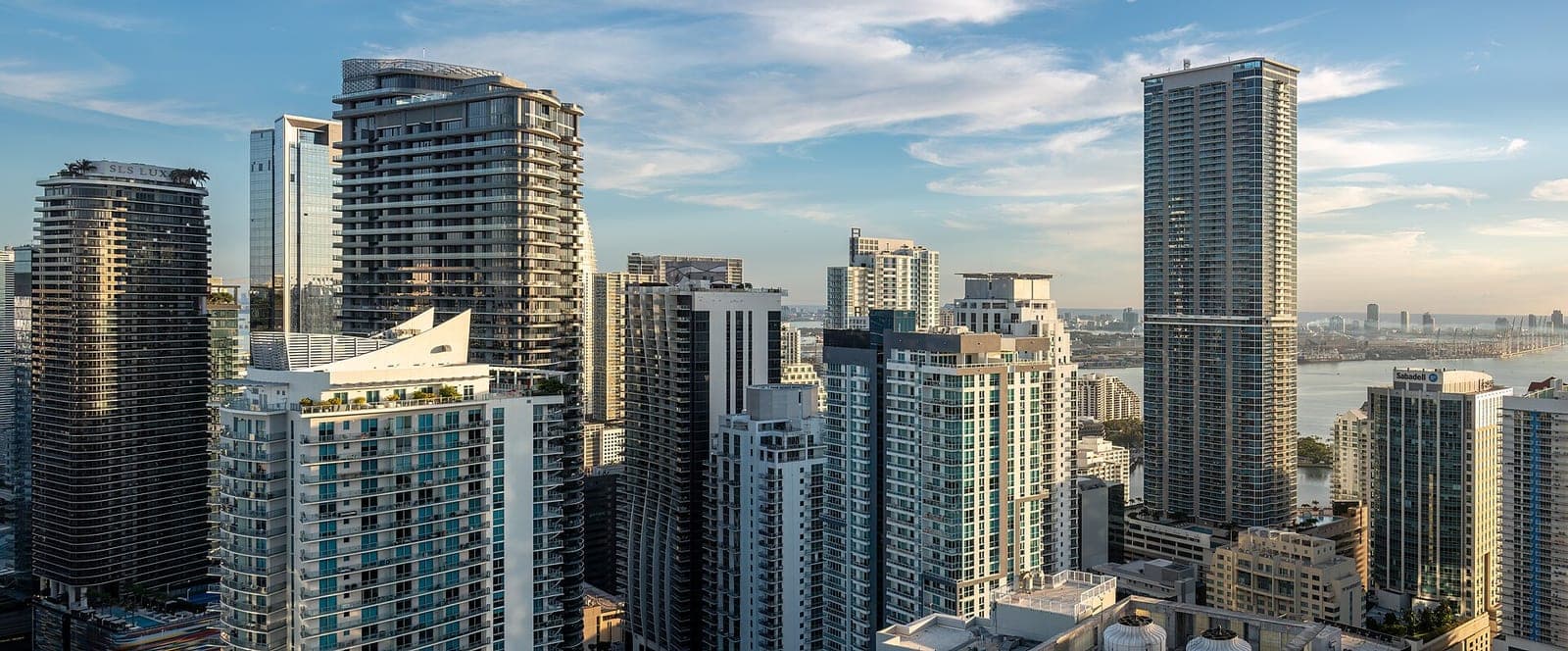
Miami's saving grace is that its big events do not share an address, so the crowded side of the bay changes. Ultra is downtown at Bayfront Park, which pushes its overflow toward the beach. Art Basel is on the beach, which pushes its overflow downtown. When a beach week is closed to you, Downtown Miami is a causeway away, and in late March the trade runs the other direction. What never moves with the calendar is the fee stack. The Ritz-Carlton, South Beach charges a $70 nightly resort fee that does not appear on its property page until you enter dates, plus $65 a day for valet with no self-park option. Faena is $65 plus 14% tax, about $74.10, and $68 for valet. Those figures read the same in September as they do in Art Basel week.
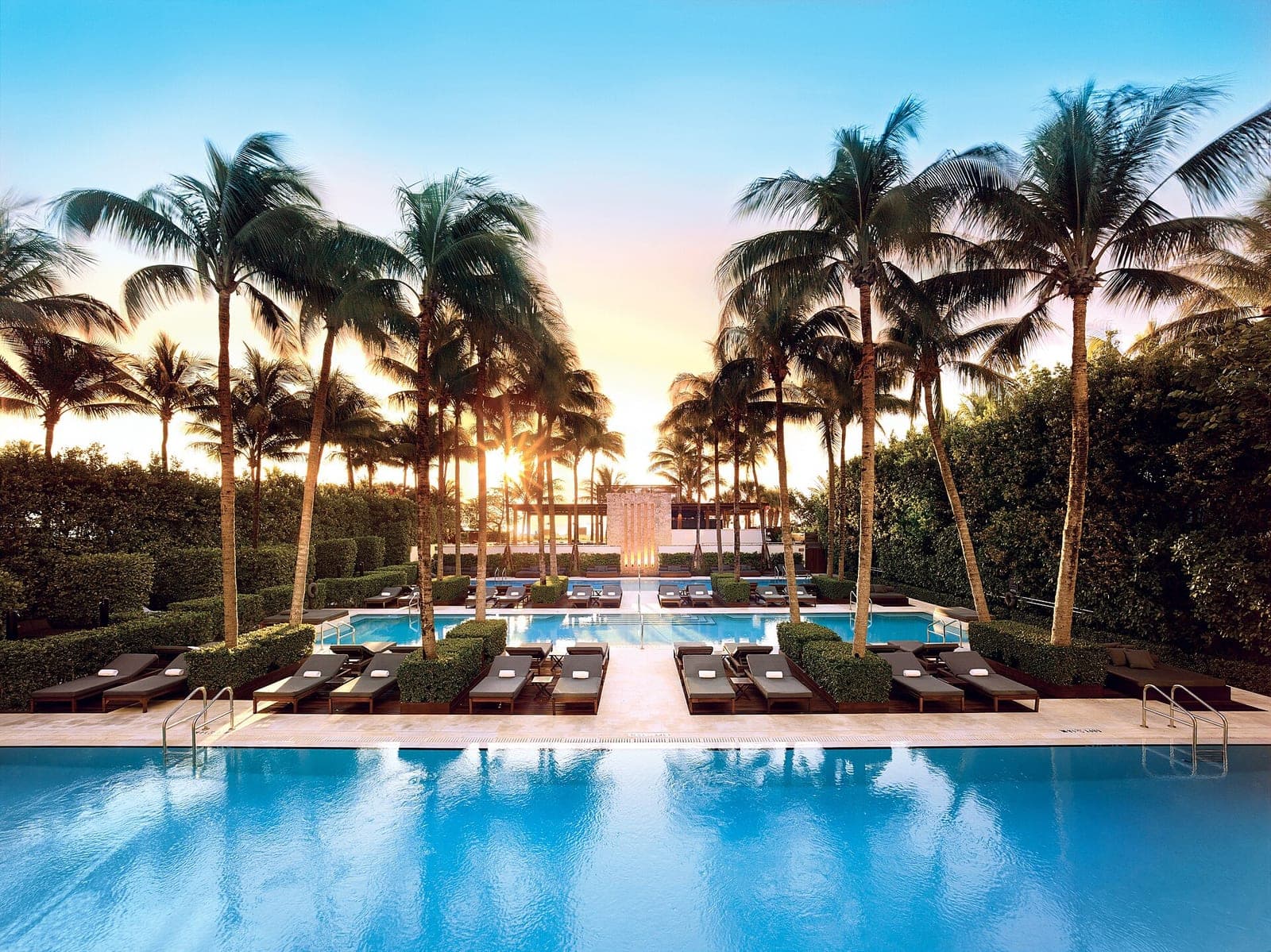
A few properties sit well under that line. Hotel Croydon charges $30 plus 14% tax and operates no lot or valet of its own, so parking means street meters or a public garage about 300 feet away. Casa Faena is $28 plus 14% tax. Dua Miami charges no resort fee at all, confirmed in the live booking flow, though valet is $61 and there is no self-park. On South Beach, The Setai says in its own FAQ that it charges no traditional resort fee, then charges $60 a night for valet, which is the shape of most of these trades.
The Miami calendar on one line
Soft: June through September, floor in September. Firm: February and March end to end, the first weekend in May, and art week in early December. April is the in-between month, and at 75.3% occupancy and $246.15 it reads like high season winding down rather than a bargain. Rule 3 of our last-minute booking playbook is that event weekends, spring break and holidays break every other rule, because inventory genuinely runs out and what is left is the last bad rooms. Miami is the metro where that rule comes with a published schedule. Every event above repeats in the same month every year, so the closed weeks are visible a year ahead. On those weeks, change the dates or cross the bay rather than searching harder.