Clearwater Beach When It Rains: What to Do, and When to Just Wait
By SuddenStay Editorial · August 20, 2026
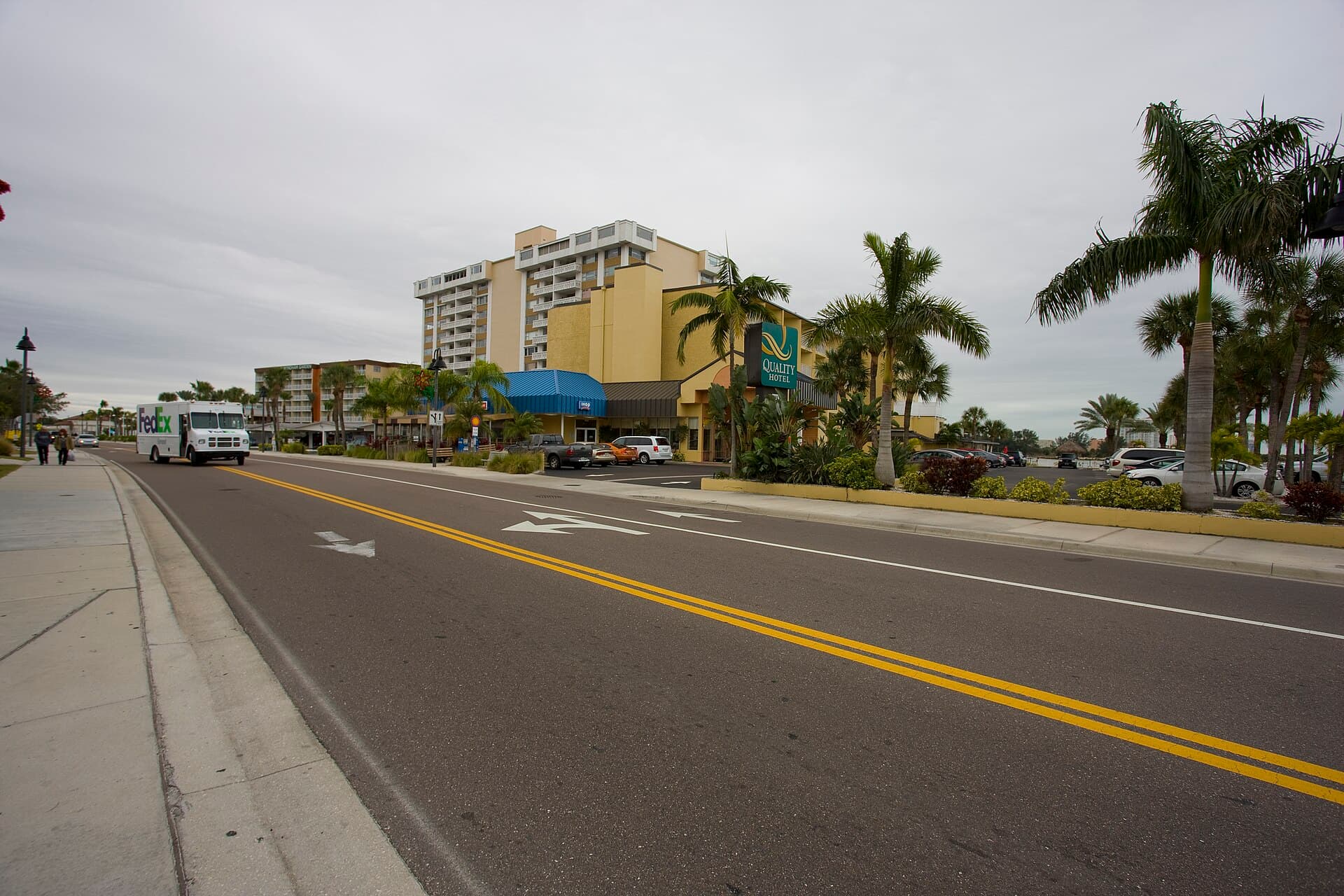
Photo: Michel Rathwell, CC BY 2.0, via Wikimedia Commons
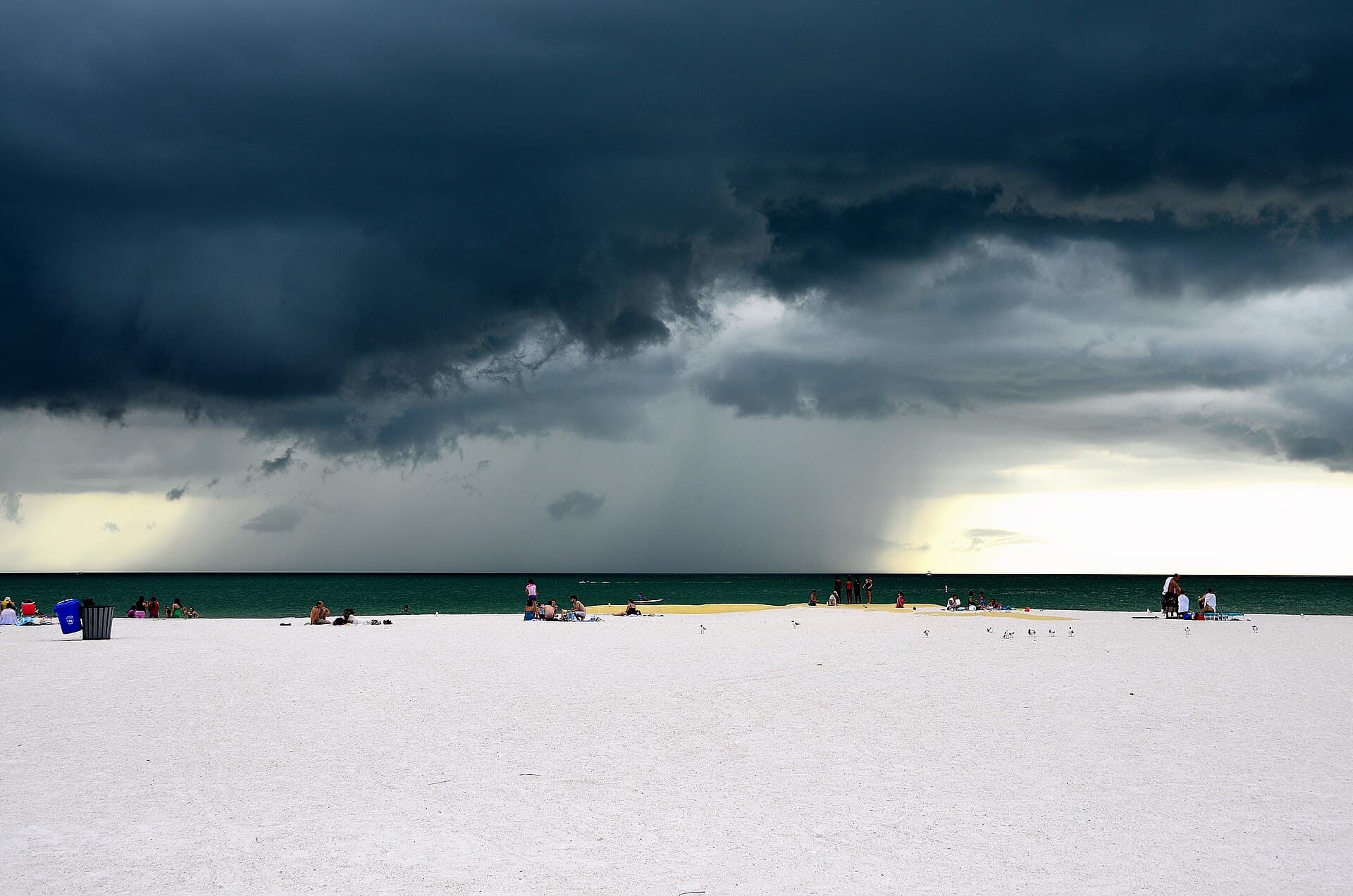
Clearwater picks up around 51 inches of rain a year, and July and August each average about 20 days with rain in them. That reads like a ruined beach week and it almost never is. Nearly all of that water falls in the afternoon, arrives fast, and is gone inside an hour. The expensive mistake is treating every one of those afternoons like a lost day and burning it on a 45-minute drive to an aquarium you could have saved for the day the weather actually sits on you. So the first job is working out which kind of rain you have.
The afternoon storm runs on a schedule
The National Weather Service dates the rainy season on this stretch of coast from May 25 to October 10. Inside that window the pattern repeats almost daily: the peninsula heats up, sea breezes push inland from the Gulf on one side and the Atlantic on the other, and storms fire along the line where they collide. That line usually sets up inland in the afternoon, which is why the corridor from Tampa toward Orlando catches more cloud-to-ground lightning than anywhere else in the country while the beach itself often gets only the edge of it. What lands on Clearwater Beach is frequently a loud half hour and then sun again. Lifeguards will still clear the water, and they should, because lightning travels well out ahead of the rain.
How to tell a washout from a wait
Three tells, in order of usefulness. Check the flags: a double red flag means the water is closed to the public, and Clearwater lifeguards fly it and whistle people out when a storm is closing in, so treat it as the local forecast rather than an inconvenience. Check the clock: wet-season storms build with the day's heat, so rain already falling at 9am is usually a front or a tropical system, and that kind settles in for hours. Then check the calendar. December averages about six days with rain, roughly a third of July's, but the winter rain that does come tends to arrive on a front and last all day. A wet December afternoon is the one worth driving for. A wet July afternoon usually is not.
Ten minutes away: Clearwater Marine Aquarium
Clearwater Marine Aquarium sits on Island Estates, just back across the Memorial Causeway from the beach hotels, which makes it the only real attraction you can reach before a sea-breeze storm has finished. It works as a rescue hospital that sells tickets: four levels of habitats, a surgical suite with a public viewing window where turtle and otter procedures happen in front of guests, and a forty-foot window on level one that puts you underwater alongside the dolphin complex. General admission runs two to three hours, which is about the length of a Florida afternoon storm.
It is not a sealed building, though, and that matters on exactly the day you are reading this. Plenty of it is climate-controlled, but several habitats are open-air and can close in bad weather without notice, so a hard downpour still gets you damp and may shut the exhibit you came for. The aquarium is unusually upfront about this: since 2024 it has sold a Weather Guarantee add-on through Sensible Weather that pays back up to the full ticket price by text based on the day-of forecast, whether or not you decide to go. The rainfall thresholds are not published, so read the terms at checkout. Parking is a paid garage on site, charged separately from admission.
Half an hour south: The Dali Museum
The Dali Museum on the downtown St. Petersburg waterfront is about as weatherproof as this county gets. Every gallery sits on the third floor inside eighteen-inch concrete walls, and the collection runs to roughly 2,400 works, the largest holding of Dali outside Europe. Two to three hours covers it comfortably. Worth knowing before you drive down: the melting-clocks painting most people picture is the 1931 canvas, and that one hangs at MoMA in New York. The one on these walls is The Disintegration of the Persistence of Memory, a smaller canvas from the 1950s in which the clocks are breaking apart into floating blocks. Visitors turn up expecting the other one often enough that it is worth saying twice.
Two details that only bite on a rainy day. The museum has a surface lot of its own, but it is paid, it takes cards only, and nobody is holding a space for you, so a wet weekend afternoon is the worst possible time to turn up without a fallback. And Thursday evenings after 5pm carry reduced admission, which makes a good landing spot when the weather has already eaten the useful part of your day. Bags are not allowed in the galleries; there are lockers by the entrance. The Dali Dome shows next door are a separate per-show ticket, so sort that out when you book rather than at the door.
Across the bay: The Florida Aquarium
The Florida Aquarium in Tampa's Channel District is the one to pick if what you want is a very large tank. Its coral reef habitat holds over half a million gallons behind a single wide viewing pane, and the sharks and rays patrolling it are why people stand in that spot for twenty minutes. Better still for a wet day, the main route through the building never steps outside, and two hours is a normal visit. Do not plan around the outdoor half. The penguins are out in the plaza, and Hurricane Helene took the splash pad out for good, so there is less out there now than older reviews will tell you.
The crossing is the catch. Clearwater Beach to downtown Tampa runs 30 to 45 minutes on a clear road and a good deal worse on a bad one, which is about the entire life span of a sea-breeze storm. Save this one for a front. There is no aquarium lot either, so budget for one of the public garages nearby, Channelside or Cumberland or the city lot on Channelside Drive, all a short walk away and all of them full early on a weekend. Valet runs at the front entrance, but not on days a cruise ship is docked at Terminal 2. If you are already downtown, the TECO Line Streetcar stops half a block away.
What shuts down when the weather turns
Anything on the water goes first. Dolphin and sunset cruises out of Clearwater Beach cancel or reschedule for lightning, and the marine aquarium's boat tours are a separate ticket from admission, so check whose refund policy applies before you count on getting the money back. Sunsets at Pier 60, the free nightly festival of artisans and street performers that runs from two hours before sunset to two hours after, operates weather permitting, which in practice means a 6pm storm takes the evening's plan with it. And Adventure Island, the water park sitting opposite Busch Gardens, is the wrong answer twice: it is an outdoor park that empties in a storm, and it closes for the winter months, which is when the all-day rain is likeliest.
If you would rather not drive at all
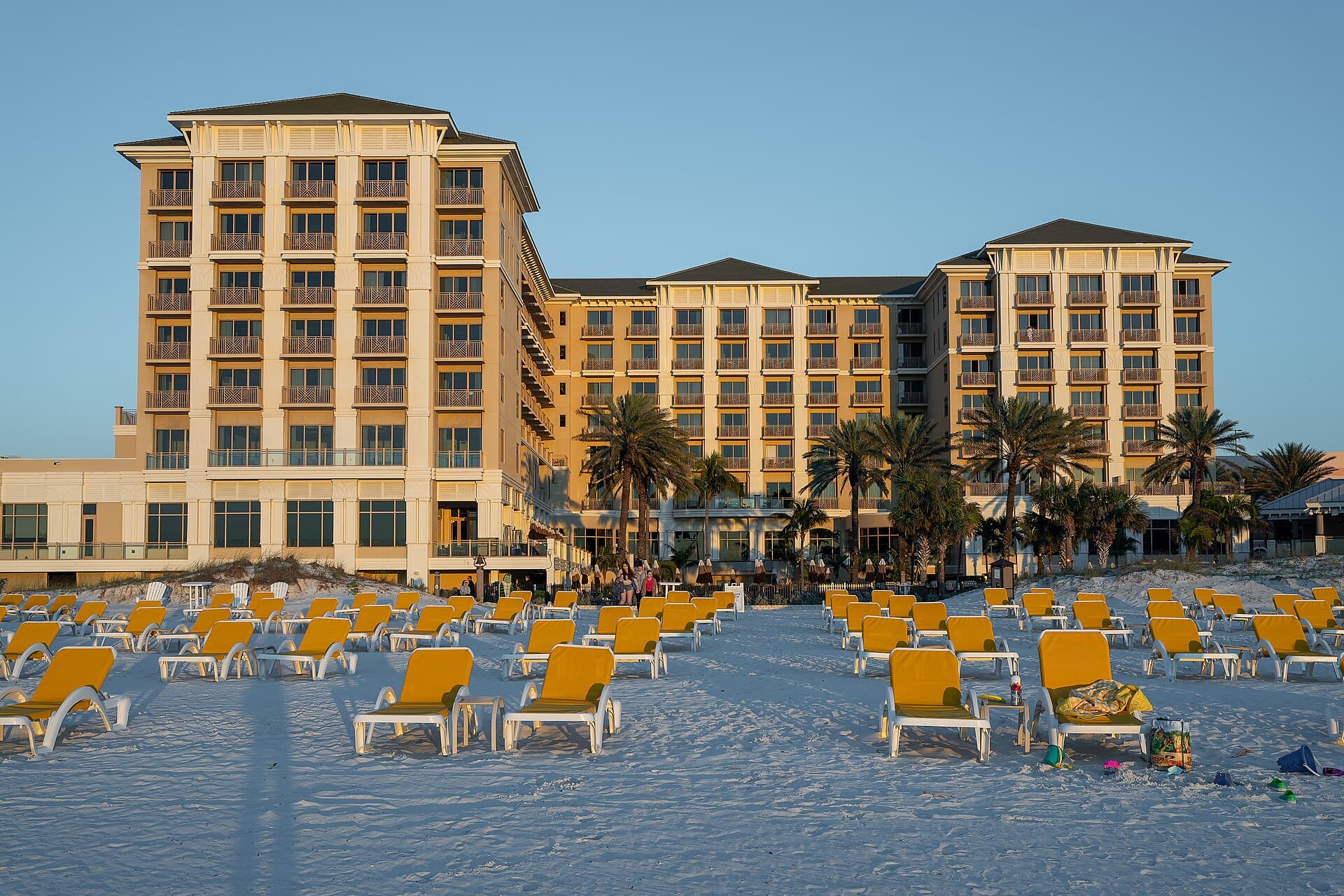
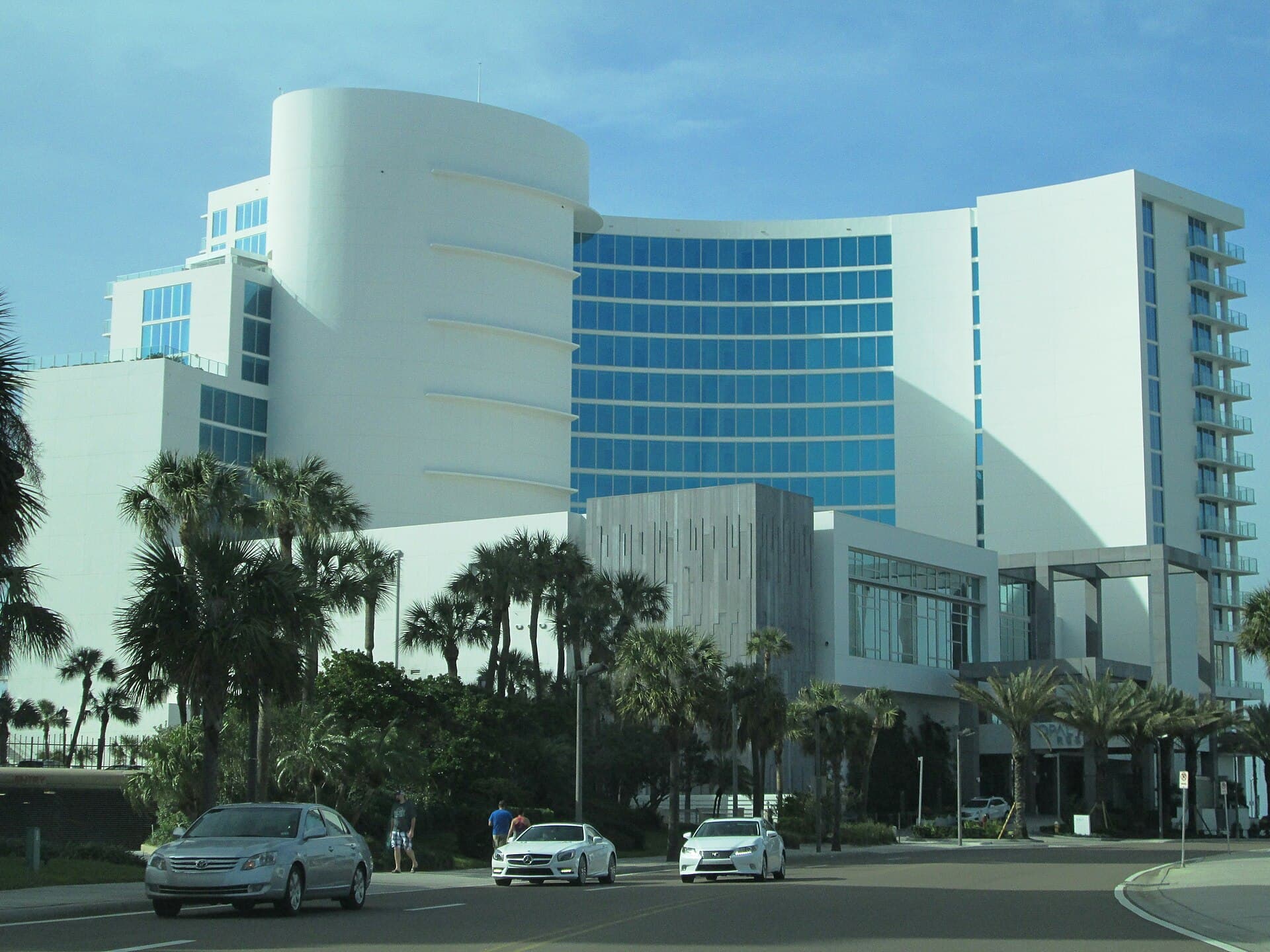
Staying put is often the right call, and some hotels are better equipped for it than others. Sandpearl, Opal Sands and the Wyndham Grand all run full spas, and a treatment is a better use of a storm hour than a wet drive. The trade is parking: all three are valet only at roughly $40 a day, so the car you left in the garage still costs you. Down on St. Pete Beach, RumFish Beach Resort has the strangest indoor option on this coast, a dining room wrapped around a 33,500-gallon aquarium, so dinner in a thunderstorm happens next to a wall of gamefish. Before you commit to a resort day, our guide to Florida resort fees has what the fee and the parking actually add up to.
Bundling, and when it does not pay
If the forecast looks bad across most of a week, a multi-attraction pass starts to look sensible. Be careful with the math. Tampa Bay CityPASS lets you keep five gates out of a pool of seven and stays valid nine consecutive days from first use, and both Clearwater Marine Aquarium and The Florida Aquarium are on the list. The snag is that Busch Gardens is worth far more at the gate than anything else on that list, so leave it out of your five and most of the saving evaporates. Busch Gardens is also an outdoor theme park, which is the thing you are trying to work around. The pass suits a week with a few bad afternoons scattered through it. For a week of solid rain, buy the two or three gates you actually want and skip the rest. More of the region is on our things to do in Tampa Bay page.
The short version
On a summer afternoon, wait it out. Get off the water when the flags go double red, spend an hour somewhere with a roof nearby, and the beach is usually back before dinner. On a winter front or a tropical system, drive: that is the day the Dali or the run across the bay earns its mileage. The most common way to waste a Florida beach day is spending it in a car, escaping weather that had already moved on.